
When Mast Cell Activation Syndrome (MCAS) causes gastrointestinal symptoms like discomfort, nausea, bloating, vomiting, and food sensitivities, eating becomes difficult. That’s why if an eating disorder is present alongside the MCAS, recovery from the eating disorder is much more complex and requires more nuanced treatment. In this resource, we review Mast Cell Activation Syndrome treatment when eating disorders are present.
At Galen Hope, we believe clients deserve care that is both medically informed and emotionally attuned. We take a thoughtful, integrated approach to provide it, which means:
- Validating physical symptoms without medicalizing every flare-up
- Staying mindful about use of multiple medications
- Supporting the nervous system in meaningful ways
- Safeguarding proper nutrition
- Reducing mixed messages
- Helping clients move forward without reinforcing fear or food restriction
“We take a thoughtful approach to managing MCAS, especially when it overlaps with eating disorders. While medications can be helpful, we’re careful not to medicalize everything, especially when symptoms may be triggered by stress or trauma.”
— Dr. Moss
Key Takeaways
- Eating disorder recovery can be more complex when MCAS causes GI symptoms.
- Galen Hope takes a thoughtful approach without overmedicalizing every symptom or flare-up.
- Supporting the nervous symptom is an important part of care because emotional stress, anxiety, trauma, and PTSD can contribute to or intensify MCAS symptoms—and vice versa.
- The treatment team (physician, nurse, therapist, and dietitian) collaborates closely to ensure the client receives coordinated care that addresses what they are experiencing medically and psychologically.
- The treatment team works to support proper nutrition and validate GI symptoms without reinforcing restrictive eating.
What Is Mast Cell Activation Syndrome?
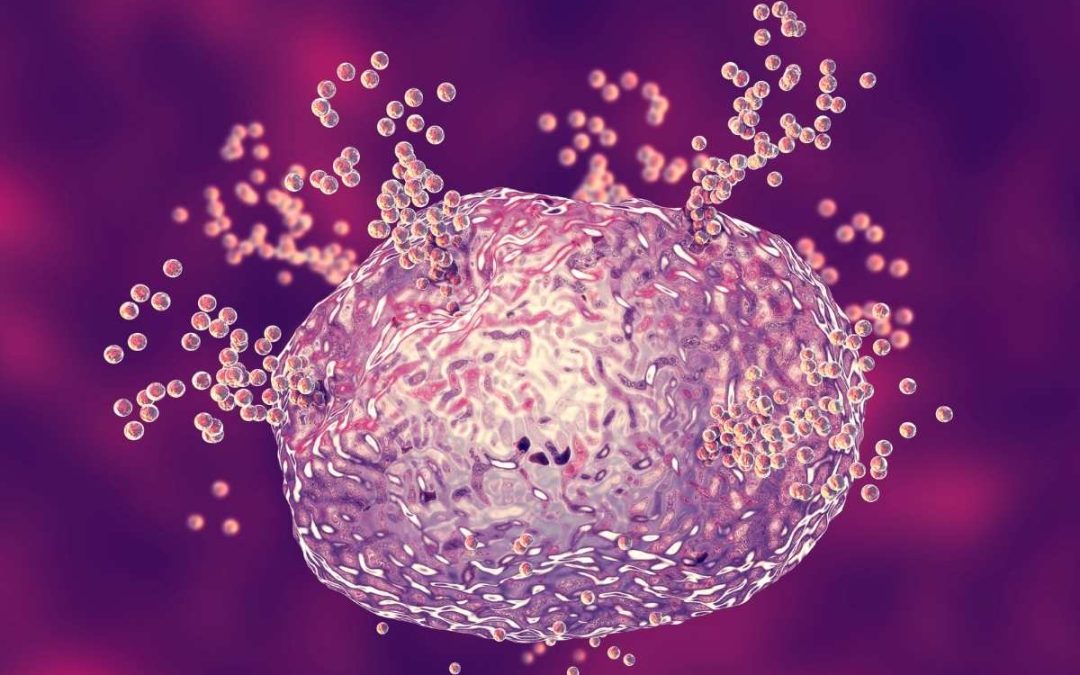
Mast Cell Activation Syndrome is a condition where the chemicals released by mast cells to activate the immune system when needed (to fight off an infection, for example) are released more frequently or more abundantly than they should. This causes a wide range of symptoms across multiple parts of the body at the same time. Symptoms can occur in every system of the body, often come and go, and can be unpredictable and vary in severity. Some symptoms of MCAS are; bloating; reflux; sensitivity to foods, stressors, or environmental triggers; chest pain; dizziness; fatigue; flushing; and skin reactions.
Why MCAS and Eating Disorders Require a Thoughtful Approach
When an eating disorder is present alongside MCAS, the clinical picture is more layered. Taking a symptom-only approach misses the big picture but dismissing symptoms can leave clients feeling misunderstood and unsupported. Instead, care should be highly coordinated, clinically sophisticated, and emotionally grounded. At Galen Hope, we take our clients’ symptoms seriously but do not automatically medicalize each one. This type of balanced care is especially important when stress, anxiety, trauma, or PTSD may be contributing to reactivity or flares.
Our Approach to MCAS at Galen Hope
1. We use medications thoughtfully.
Medications can be helpful for clients with MCAS, but we are careful not to over-medicate, especially when symptoms may be influenced by stress or trauma. At Galen Hope, we stay mindful around polypharmacy and work to ensure treatment is always clinically grounded, coordinated—and intentional.
2. We support the nervous system.
Emotional stress, anxiety, trauma, and PTSD can all contribute to flare-ups and increase physical reactivity. That is why treatment at Galen Hope includes more than symptom management. We integrate therapy and coping strategies that help support nervous system regulation, reduce reactivity, and create a stronger foundation for healing.
3. We support proper nutrition while validating discomfort.
When GI symptoms and food sensitivity are present, it can be easy for avoidant and restrictive eating to become entrenched. Our team works carefully to avoid reinforcing these and other eating disorder thoughts and behaviors. The physician, nurse, therapist, and dietitian collaborate closely to keep the client’s nutrition on track while validating discomfort and helping them work through it in a supported, clinically thoughtful way.
4. We work as a team.
Clients with complex conditions often receive conflicting guidance from different providers. At Galen Hope, collaboration is essential. All members of the client’s treatment team work together to reduce mixed messages, avoid over-pathologizing, and create greater consistency across care. This helps clients feel more supported and keeps treatment moving forward in a clearer, steadier direction.
Why Whole-Person Care Matters
The complex interplay of MCAS and eating disorders, anxiety, trauma, autonomic symptoms, and other forms of medical and psychological distress calls for an integrated, individualized approach to treatment. At Galen Hope, our model is rooted in whole-person care. We look carefully at how physical symptoms, eating disorder behaviors, emotional stress, trauma history, and nervous system dysregulation are influencing each other. By treating based on the whole picture, we are better able to support meaningful, lasting recovery.
What Makes This Approach Different?
Galen Hope’s approach is about bringing medical care and emotional care together, not choosing one or the other. Our clients benefit from physician-led, multidisciplinary support that takes their symptoms seriously while also recognizing the role of stress, trauma, and regulation in how those symptoms are experienced and managed.
This kind of care can be especially important for individuals who have felt misunderstood, overmedicalized, or caught between providers who are not fully aligned. At Galen Hope, we strive to create a treatment experience that is clearer, more collaborative, and more attuned to the whole person.
When to Reach Out
If you or a loved one is struggling with eating disorder symptoms alongside MCAS, GI discomfort, food-related fear, trauma-related stress, or nervous system dysregulation, it may be time to reach out for support. A coordinated treatment approach can help reduce confusion and create a more stable path forward—medically, nutritionally, and emotionally.
FAQ
What is MCAS?
MCAS stands for Mast Cell Activation Syndrome. It is a condition in which mast cells over-release chemicals, causing a wide range of symptoms including GI discomfort, flushing, fatigue, dizziness, and sensitivity to triggers.
Can MCAS make eating disorder recovery harder?
Yes. MCAS symptoms can make eating feel more difficult and can add complexity to recovery, especially when GI distress, bloating, nausea, or food fear are involved.
Does Galen Hope treat MCAS?
Galen Hope takes a thoughtful, integrated approach to supporting clients with MCAS when the condition overlaps with eating disorders, trauma, anxiety, and nervous system dysregulation.
Does treatment always focus on medication?
No. Medications can be helpful, but treatment also considers the role of stress, anxiety, trauma, and PTSD, and nervous system reactivity. Galen Hope is careful not to medicalize everything.
How does Galen Hope help clients avoid reinforcing avoidance and restriction?
Our multidisciplinary team (physician, nurse, therapist, and dietitian) collaborates closely to keep the client’s nutrition on track while validating discomfort and helping them work through it in a supported, clinically thoughtful way.
Why is team-based care important?
When medical and eating disorder symptoms overlap, conflicting guidance can increase fear and confusion. Team-based care reduces mixed messages and creates a more coordinated treatment experience.
If MCAS and eating disorder symptoms are overlapping in ways that feel confusing, overwhelming, or difficult to untangle, you do not have to navigate it alone. Galen Hope offers thoughtful, physician-led care designed to support the whole picture, including the medical, nutritional, emotional, and nervous system factors that may all be at play. Reach out to learn more about our approach and how we may be able to help.
Take the Next Step
If MCAS, eating disorder symptoms, GI discomfort, food-related fear, trauma-related stress, or nervous system dysregulation are making recovery feel confusing or overwhelming, Galen Hope is here to help.
Our team provides thoughtful, physician-led, whole-person care for adolescents and adults with eating disorders, mental health conditions, and complex co-occurring presentations.
Take the next step. Reach out for a free consultation. Visit galenhope.com to connect with our Admissions team.
About Galen Hope
Galen Hope offers physician-led, individualized treatment for adolescents and adults with eating disorders, mental health conditions, and complex co-occurring presentations. Our multidisciplinary teams take a thoughtful, whole-person approach to care, especially when medical and emotional symptoms overlap.