
by Anthony Bart | Aug 3, 2026 | eating disorders
Eating disorders do not discriminate. They cross every cultural, religious, and socioeconomic boundary, and the Orthodox Jewish community is not immune. Research suggests that Orthodox Jewish women and adolescent girls may face unique vulnerabilities related to eating...
by Galen Hope | Jul 13, 2026 | eating disorders
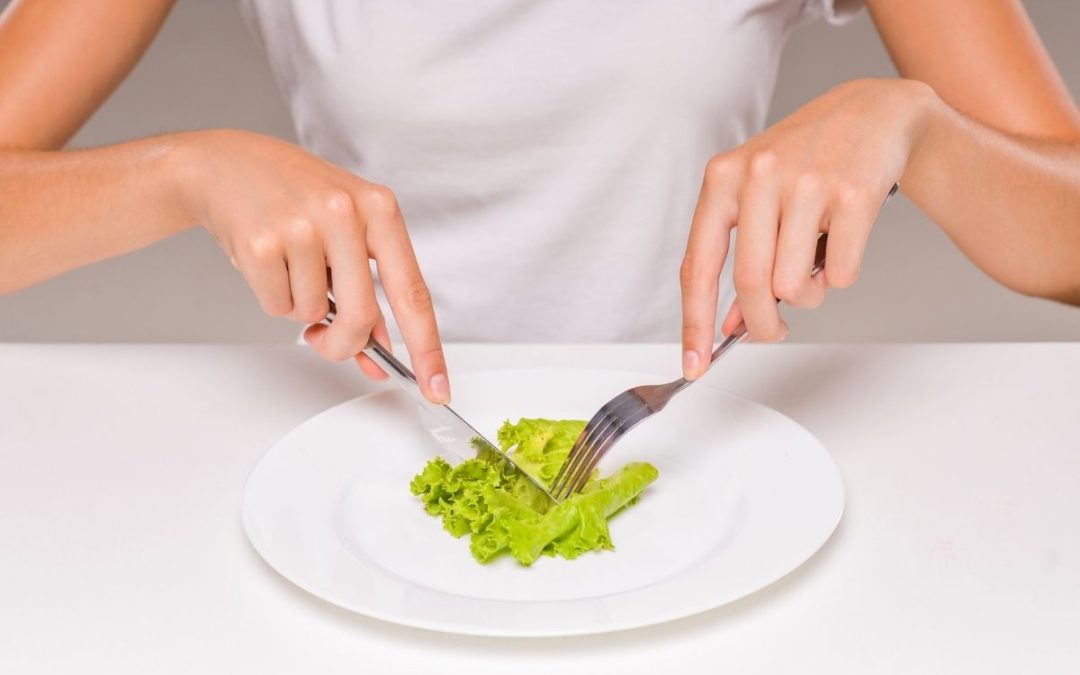
There is no escaping diet culture. From “wellness” trends on social media to weight-loss challenges at work and conversations over the dinner table at home, the loud-and-clear message we get is that we should be optimizing and managing what we eat. So when does...
by Galen Hope | Jun 9, 2026 | eating disorders
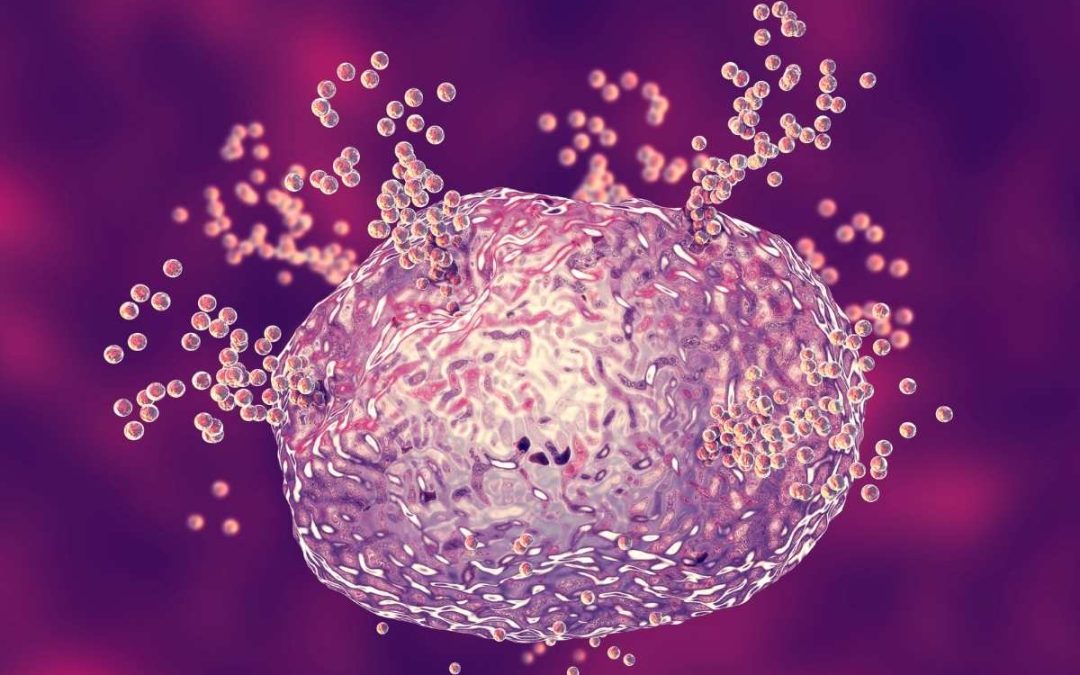
When Mast Cell Activation Syndrome (MCAS) causes gastrointestinal symptoms like discomfort, nausea, bloating, vomiting, and food sensitivities, eating becomes difficult. That’s why if an eating disorder is present alongside the MCAS, recovery from the eating disorder...

by Galen Hope | Jun 1, 2026 | eating disorders
“How long does eating disorder treatment take?” is a very common question. It’s also an understandable one because treatment could affect things like family responsibilities and work or school—and is often affected by insurance. The fact is, it varies. An eating...

by Galen Hope | May 25, 2026 | eating disorders
When you or a loved one struggles with OCD, trauma, and an eating disorder, it’s not easy to know which symptoms are related to which condition. That’s understandable; the symptoms are interconnected and overlapping. For example, trauma can leave someone feeling...

by Galen Hope | May 18, 2026 | eating disorders
Eating disorders rarely show up in isolation. Many people who struggle with restriction, bingeing, purging, or compulsive exercise are also living with trauma/PTSD, OCD, anxiety, and/or depression. This can make healing feel even more overwhelming and make it more...