
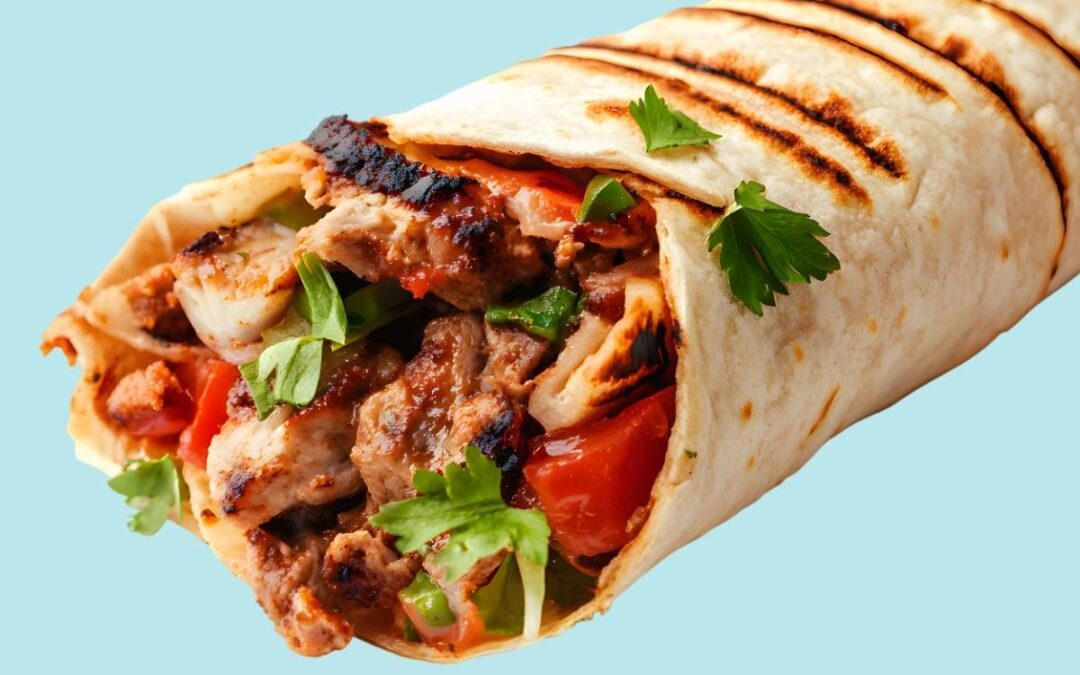
In this post on anorexia weight gain, I’m going to outline 10 foods for anorexia refeeding, as well as highlight a landmark study on behavioral changes as a result of starvation. One of the most challenging aspects of treatment is helping a child to weight restore, so I visited Trader Joe’s to find 10 food ideas for parents searching for foods that help their child “cross the finish line.”
A Special Note from Dr. Amy Boyers:
“Making the decision to start the anorexia refeeding process is not an easy one. In many cases, it is something being imposed upon you by those closest to you because they fear for your life. Although it may be difficult for you to see how damaging the eating disorder has been, beginning the process of refeeding is the first step in having a life free of these constraints. There is far more to life than fear of weight gain, worrying about what you will or won’t eat, or being consumed by thoughts about your appearance. You deserve a life full of connection and meaning and that starts in a healthy body.” — Dr. Amy Boyers
Why Weight Gain is Critical to Anorexia Recovery
A primary focus of recovery from anorexia nervosa is weight gain. Although there is complex work to be done to recover emotionally from this pernicious disorder, the first step is always weight restoration. There are a number of urgent and dangerous medical conditions that can emerge from being malnourished and underweight that must be addressed immediately. This is why regular medical evaluations and close monitoring are crucial in the beginning. As one starts to regain weight, the body can struggle to stay in balance, making professional oversight essential.
10 Foods for Anorexia Refeeding
For families supporting a child with anorexia nervosa, one of the hardest tasks is helping with weight restoration. Even when a child is willing, the amount of food needed to return to a healthy weight is often much more than families anticipate.
That’s why practical food strategies can help. The goal is high-density, low-volume foods: calorically rich but not overly filling.
On a recent trip to Trader Joe’s, I gathered examples of foods that parents might find helpful. These items are specifically for anorexia refeeding and weight restoration, so portions and choices will look different than in later maintenance stages. They may help bring variety and reduce stress during this phase of treatment.
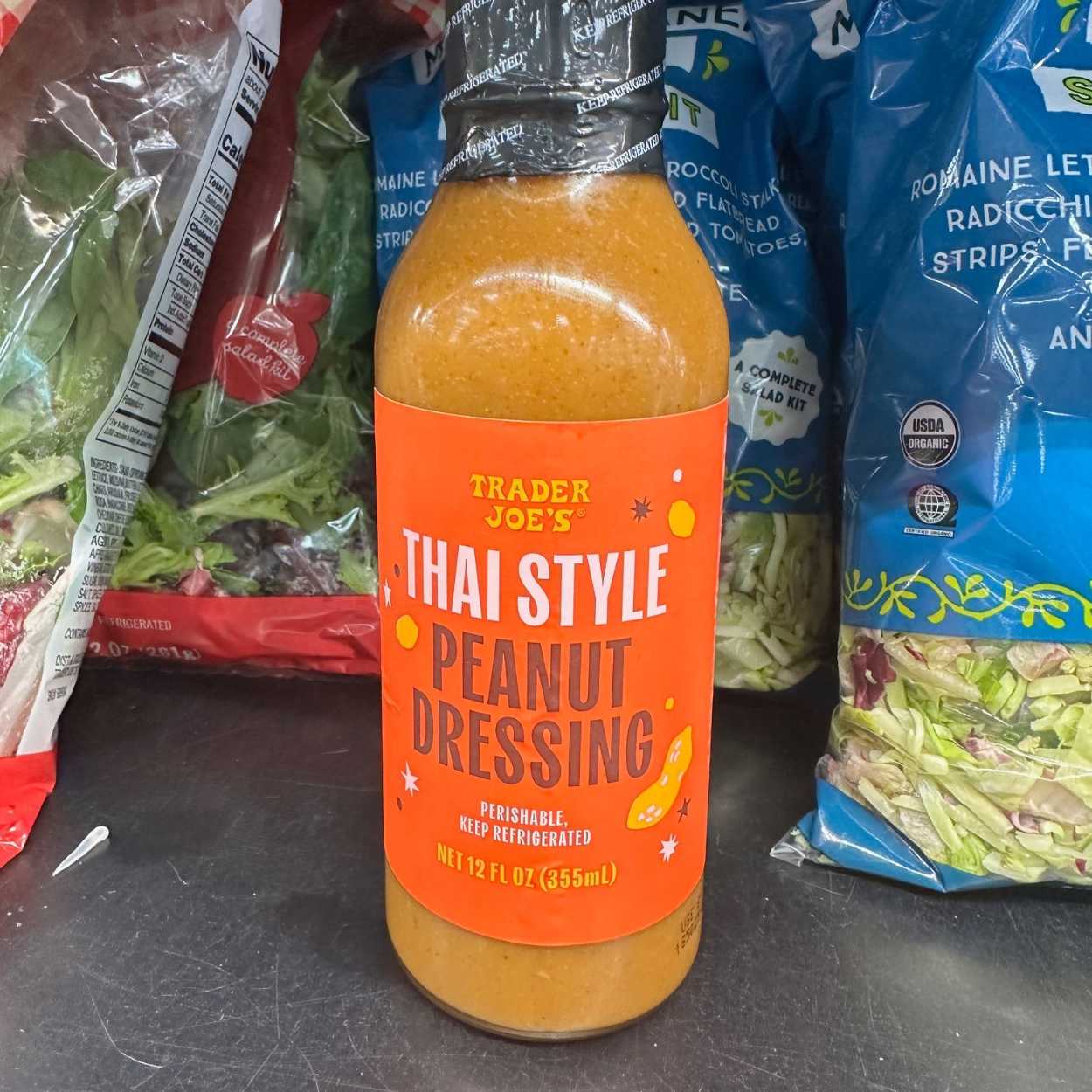
1. Thai Style Peanut Dressing
A creamy, flavorful dressing made from peanuts, oils, and seasonings.
Why it’s good for refeeding: High in calories and healthy fats, it can be added to salads or vegetables to increase caloric intake without adding too much bulk.
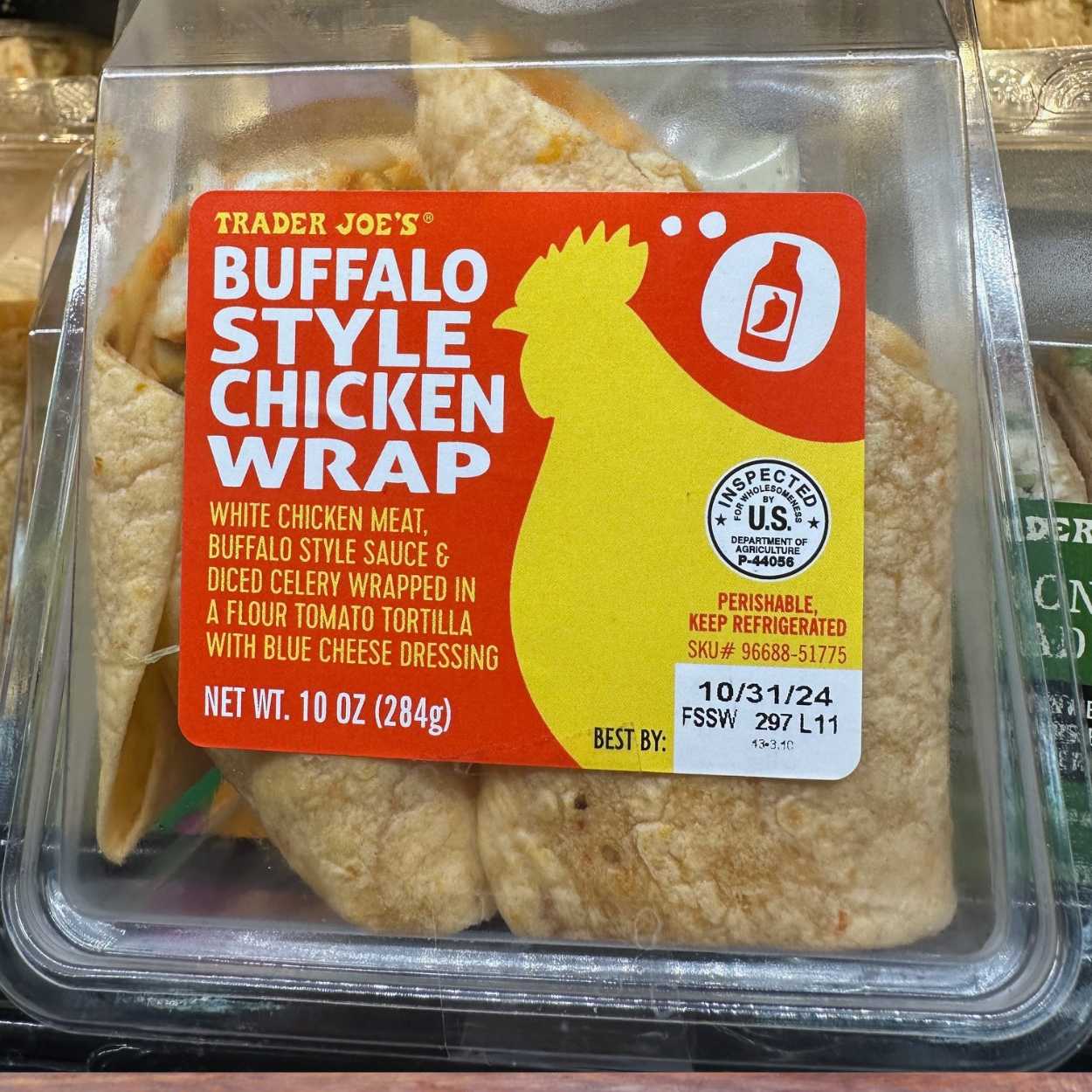
2. Buffalo Style Chicken Wrap
A tortilla wrap filled with chicken, buffalo sauce, and sometimes cheese or vegetables.
Why it’s good for refeeding: Provides protein and calories in a compact, easy-to-eat form. The fats from sauce and cheese help boost energy intake without causing fullness too quickly.
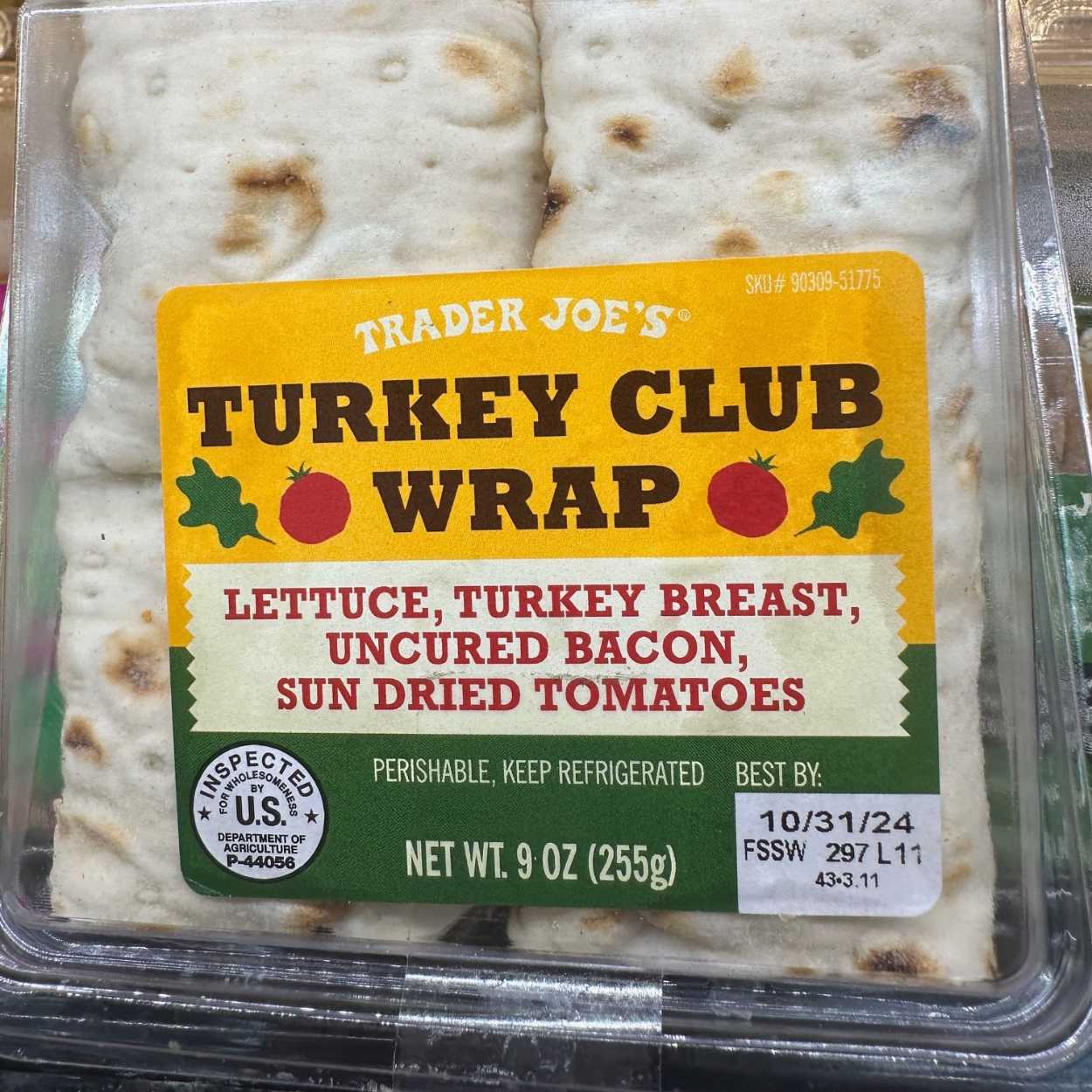
3. Turkey Club Wrap
A wrap containing turkey, bacon, cheese, and sometimes mayonnaise or avocado.
Why it’s good for refeeding: Combines lean protein with calorie-dense ingredients like bacon and cheese. Supports weight gain with nutrient-rich, energy-dense foods.
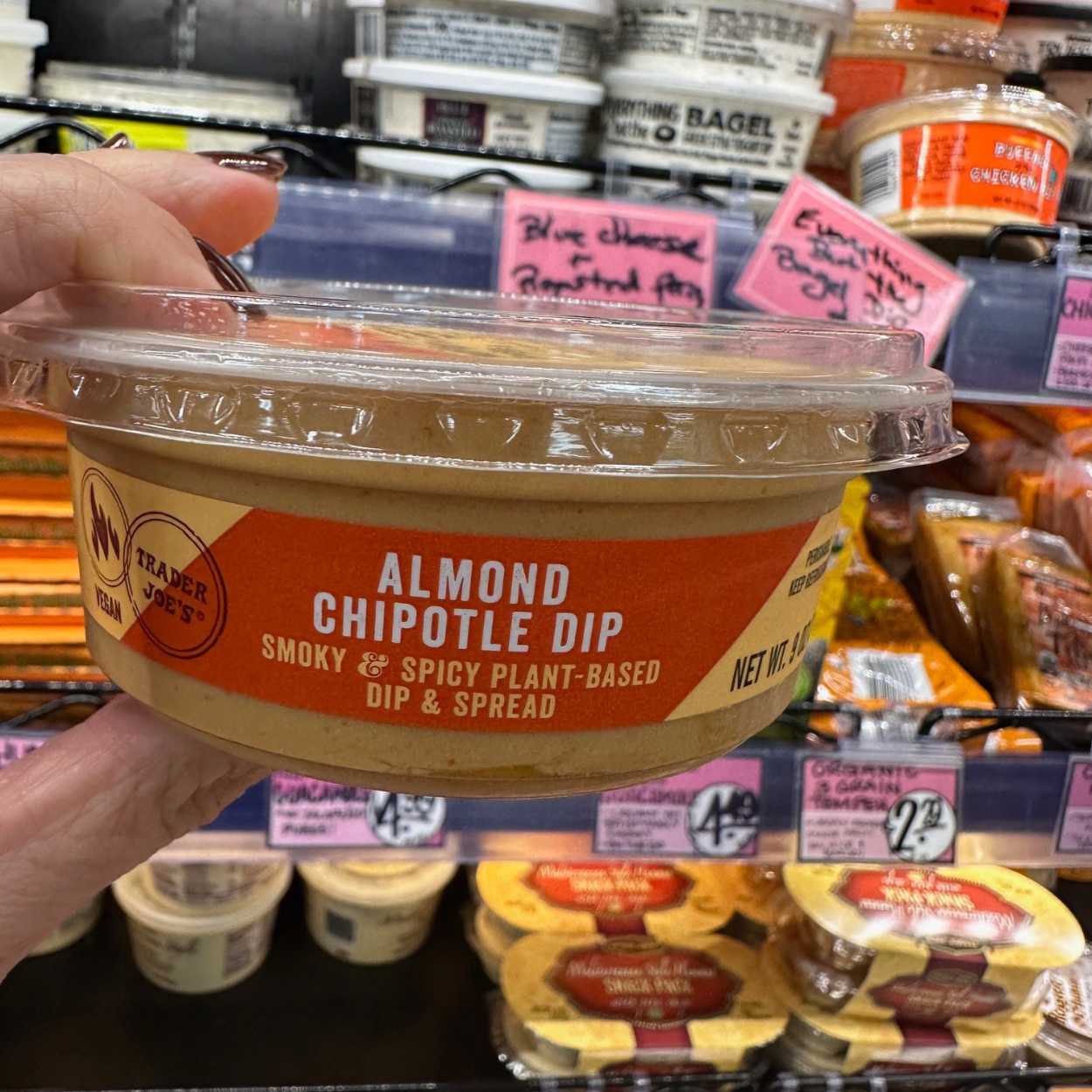
4. Almond Chipotle Dip
A creamy dip made from almonds and chipotle spices.
Why it’s good for refeeding: Rich in healthy fats, protein, and calories. Can be paired with crackers, vegetables, or bread to increase intake in a manageable portion.
5. Waldorf Salad
A salad made with apples, celery, grapes, walnuts, and a creamy dressing.
Why it’s good for refeeding: The walnuts and dressing add high-calorie content, while the fruits provide vitamins and fiber, making it nutrient-dense but not overly filling.

6. Genoa Salami
Cured Italian sausage that is high in fat and protein.
Why it’s good for refeeding: Easy to portion and calorie-dense. Can be added to sandwiches or eaten as a snack to efficiently increase daily intake.

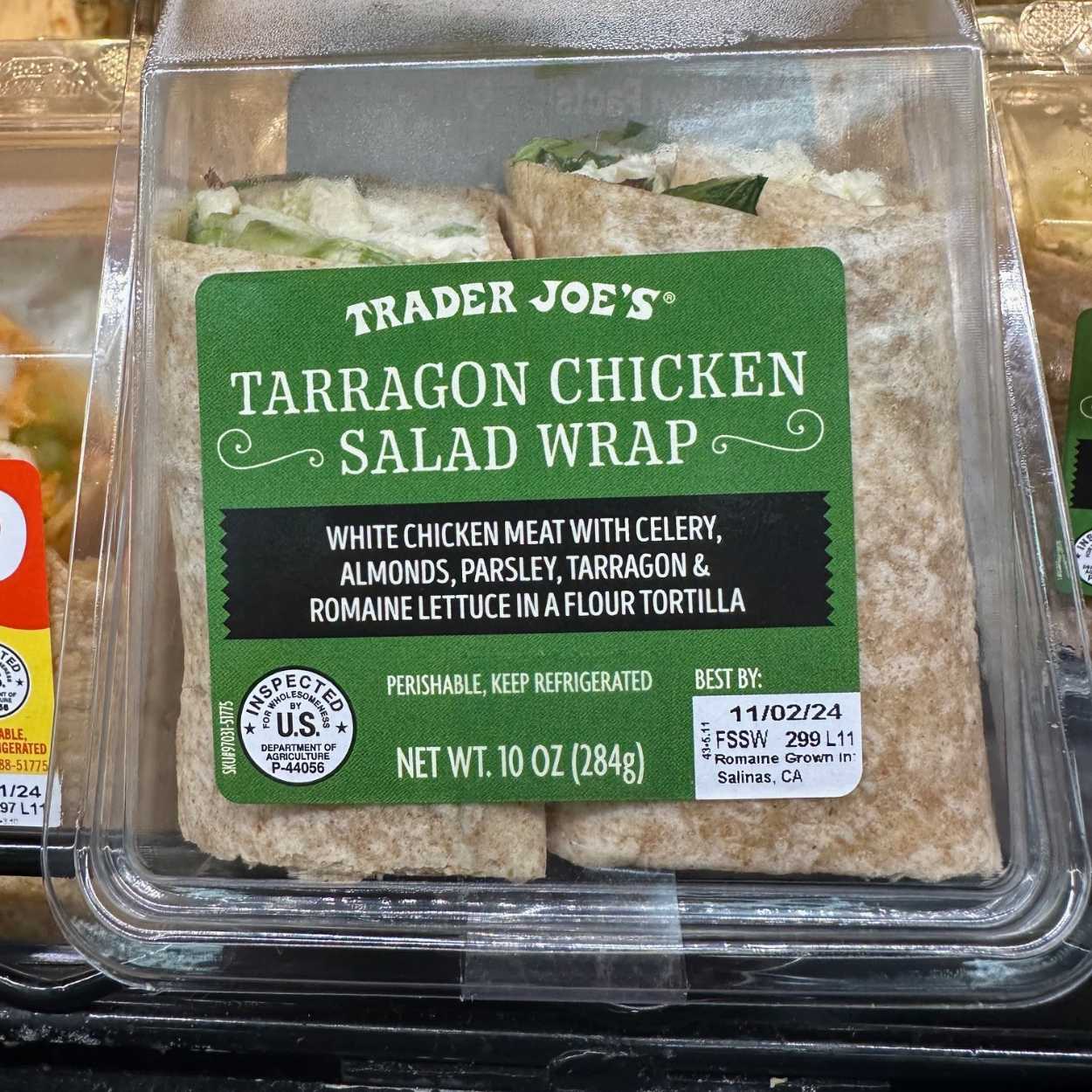
7. Tarragon Chicken Salad Wrap
Tender chicken mixed with mayonnaise, tarragon, and seasonings, wrapped in a soft tortilla.
Why it’s good for refeeding: Provides protein and healthy fats in a gentle, easy-to-digest form. The soft wrap makes it easy to eat without feeling too full, while still being calorie-dense.
8. Garlic Spread Dip
A creamy, garlicky spread made with oils, butter, or cream cheese.
Why it’s good for refeeding: High in calories and fats, flavorful, and easy to eat with bread or crackers to support weight gain.

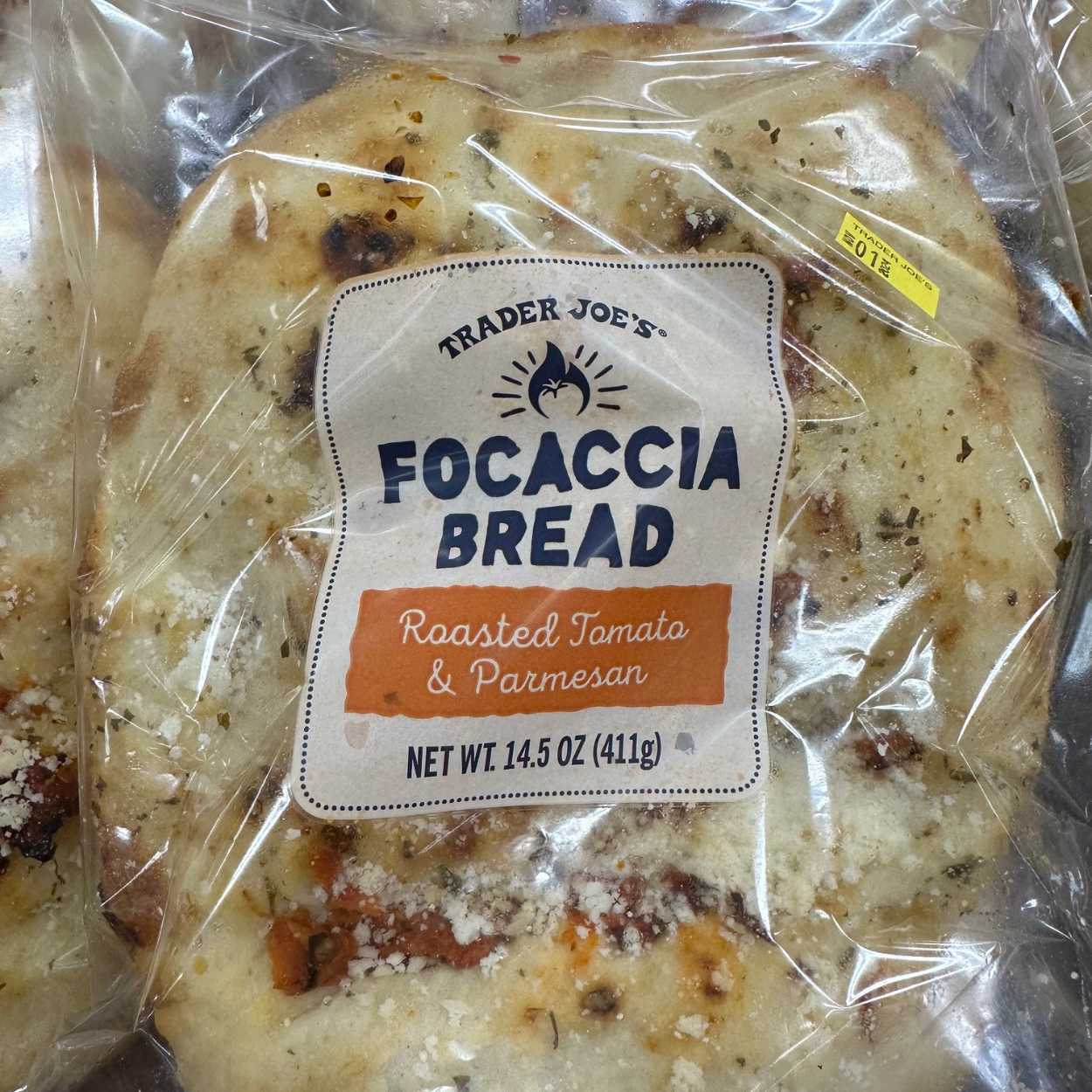
9. Focaccia Bread
Italian flatbread often topped with olive oil, herbs, or cheese.
Why it’s good for refeeding: Dense and calorie-rich, providing carbohydrates and fats. Can be paired with dips or spreads to increase energy intake without feeling too full.
10. Pimento Cheese Dip
Creamy, cheesy spread made with cheddar, mayonnaise, and pimentos.
Why it’s good for refeeding: High in calories and fat, making it easy to add energy-dense nutrition. Can be paired with crackers, bread, or vegetables to gently increase intake without overwhelming the stomach.

FAQs About Anorexia Refeeding
Below are some frequently asked questions about anorexia refeeding that I often hear:
What exactly does “refeeding” mean, and why is it important for recovery from anorexia?
Refeeding is the technical term we use when we are referring to a process of helping someone regain the weight that was lost due to starvation and resulting condition of malnutrition. Anorexia Refeeding is different than just “eating more” because it acknowledges the state of malnutrition and the medical concerns that accompany this state. At times, individuals who require refeeding will experience medical complications during the process that require immediate medical attention.
How much food will I have to start eating, and will it feel overwhelming?
There is not a single answer to this question. How much is safe and appropriate for any individual to start at is dependent on many factors. Discussing your nutritional and medical needs with a Registered Dietician who specializes in eating disorders is a great place to start. In some instances, your physician may be able to guide you as well but many doctors have limited to no training in eating disorder medicine. If your doctor does not feel comfortable guiding you with your refeeding, ask for a referral to a doctor or dietician who specializes in eating disorders. For most people you will need to increase your quantity of food significantly from what you are eating now, you will need to eat more frequently than you are now and you will need to increase the variety of foods you are currently eating. In most instances, people need to increase the amount of feed they are eating several times to continue with their weight restoration successfully. The weight restoration process is not easy and the amount of stress you personally will experience is likely to be quite uncomfortable. This is why it is important to have both professional and personal support to help you through this phase of your recovery and ensure that you move through your recovery at an appropriate pace.
Will I gain weight too quickly during anorexia refeeding?
While weight gain that is “too quick” can happen, it is rare. Due to the rules and shame associated with your eating disorder, it is generally difficult for most people attempting to weight restore to eat “too much.” This is a common fear and one that is mostly generated by the eating disorder to discourage you from doing what is right for yourself. Having a dietician or MD monitoring you on a regular basis will help ensure you are refeeding at an appropriate pace.
Why do I feel so bloated, constipated, or swollen when I start eating again?
Our bodies have natural responses to having inadequate access to food and nutrition. The main one is to slow down our metabolism to conserve whatever nutrition resources are coming in to keep our bodies alive. Once you increase your intake, the body may take some time to come out of “survival mode” and will continue to slow down your digestion to maximize the nutrition it is getting. The bloating, constipation and swelling is a common side effect of malnutrition and is not unusual in early recovery. It is important to have access to a medical team familiar with the refeeding process to make sure you are medically stable and to help you ease some of these side effects. There are medications and nutritional strategies that can be used to support you if you are having these symptoms.
How long does the uncomfortable part of refeeding usually last?
What most people report is that it gets easier within a few weeks. Some of this is related to how low your weight is when you begin refeeding. The further away you are from your ideal body weight, the more likely it is that you may feel overly full and uncomfortable every time you eat. To the degree you can be consistent with your eating, even when you feel you could not possibly eat another meal, the quicker these side effects will go away. Between the emotional distress one feels when eating more than your eating disorder wants you to eat and the physical discomfort that comes with refeeding, it is common for people to try to “bargain” with their team about eating less. It is important to resist doing this as it will only prolong the process and ultimately make it harder for you to meet your recovery goals. And while you may feel some temporary relief by reducing your intake during the refeeding process, the long-term consequence is that your eating disorder feels a sense of victory. Anytime you restrict your intake, your eating disorder will feel better and you are reinforcing the notion that eating less is better than eating more. So even though it can be uncomfortable, it is important you don’t serve the eating disorder by restricting.
Why do I feel extreme hunger sometimes, even after eating?
For individuals recovering from anorexia nervosa, this feeling can be quite anxiety producing. It is important to report this symptom to your dietician to get a better understanding of what is going on. In some cases, it is “true hunger” and may indicate that you simply are not eating enough. When someone has an eating disorder, they almost always become disconnected from their body’s natural ability to signal them when they are hungry or full. The chronic restriction, bingeing or purging makes it difficult to feel these signals and can take some time (with consistent eating) to return. So while you very well may be eating more than you were previously, your body may require more food in order to stabilize. Additionally, consistent and improved food intake will eventually help your metabolism to speed up again and therefore require that you eat more. So while the increased hunger can be frightening to your eating disorder, it may also be an indication that your body is starting to heal. Finally, it is possible that what you think is physical hunger is actually obsessive, intense thoughts about food. Due to the disconnection with your natural hunger and fullness cues, this can be confusing. This is why having an expert team to support you on this journey is important so that you can use appropriate strategies to manage these thoughts.
Will I ever feel normal around food again, or will eating always feel this hard?
You will absolutely feel normal again around food. This requires real work. Not just with eating appropriately again but doing work in psychotherapy to understand you eating disorder and unlearn the “food rules” you have been living with. You will find that once you can release yourself from these rigid beliefs about food, body and eating you will experience a tremendous sense of freedom and improvement in your quality of life.
What kind of emotional or psychological changes should I expect while my body is adjusting to refeeding?
Everyone responds differently to anorexia refeeding but one that happens pretty much 100% is weight gain. Many people recognize that their eating disorder is doing them great harm but are reluctant to give up the body they achieved using the eating disorder behaviors (restriction). This attempt to “bargain” with your eating disorder and then your treatment professionals, will only keep you stuck. Anorexia refeeding will result in weight gain. How much weight gain varies from person to person. And while your eating disorder may not accept you at a higher weight, this new weight may be necessary for you to live your life safely, healthily, and with joy and freedom. You may need to think of the weight gain as a result of refeeding as a trade off. While you may struggle with accepting your body, you will gain back so much of what was lost due to the eating disorder. And over time, as you rebuild your life and find purpose and meaning, you will find that your negative body image will diminish.
A Study on Behavioral Changes as a Result of Starvation
Another reason why weight restoration must come first (before addressing all of the underlying psychological factors) is that many of the behaviors we see in anorexia nervosa are actually behaviors associated with starvation.
In 1944, researcher Ancel Keys conducted a famous study on semi-starvation. Men who participated in this study, all psychologically healthy beforehand, developed profound changes when placed on restricted diets. Their experiences offer insight into the effects of malnutrition.
Behavioral and Psychological Findings
- Food Preoccupation: Ritualized eating, creating “odd concoctions,” fascination with cookbooks, and extended eating rituals.
- Binge Eating: Some developed serious binge episodes, followed by shame and guilt, suggesting that dietary restriction itself can lead to bingeing, even in otherwise healthy individuals.
- Emotional & Personality Changes: Depression, irritability, anxiety, apathy, disorganization, and even psychotic symptoms.
- Social & Sexual Withdrawal: Participants became isolated, humorless, socially inadequate, and lost sexual interest.
- Cognitive Impairment: Reduced concentration, comprehension, and judgment.
- Physical Decline: Dizziness, fatigue, GI issues, hair loss, swelling, cold intolerance, reduced strength, and slowed movements.
Conclusions
Many of the symptoms often attributed solely to anorexia or bulimia are, in fact, the direct result of starvation and poor nutrition. Starvation impacts nearly every area of functioning, physical, emotional, cognitive, and social.
The study also highlighted that the human body seems to have a biological “set point”, a natural weight range it strives to maintain. Attempting to suppress this weight through restriction comes at significant physical and emotional costs.
Getting Help for Anorexia
If your loved one is struggling with anorexia nervosa, early intervention is key. At Galen Hope, we are here to walk alongside you with expertise, compassion, and care you can trust.
How Galen Hope Supports Families
At Galen Hope, we specialize in treating eating disorders and complex co-occurring conditions such as anxiety, OCD, trauma, depression, and more through a model that integrates clinical expertise, compassion, and community.
- Founded by Wendy Oliver-Pyatt, MD, and Amy Boyers, PhD, our programs are guided by a physician-led, multidisciplinary team.
- We address not only the eating disorder, but the emotional, relational, and developmental needs of each client.
- Each client is paired with a Care Partner who walks alongside them daily, helping translate treatment into real life.
- Intensive family programming is embedded in treatment and includes weekly family therapy, coaching, multi-family groups, Family Days, and ongoing education.
- We provide honest, trauma-informed, clinically sound care that providers and families can count on.
About the Author
Amy Boyers, PhD is a licensed clinical psychologist and Co-Founder and President of Galen Hope, a behavioral health treatment center specializing in eating disorders and complex mental health conditions. With more than 20 years of experience, Dr. Boyers is a nationally recognized expert in eating disorder treatment, family involvement in care, and trauma-informed approaches to recovery.
Galen Hope has locations in South Florida and provides in-person programming for adolescents and adults of all genders.
For more information about Galen Hope, please call 866-304-2955 or visit www.galenhope.com.
Weight Gain & Restoration Key Statistics
- Inpatient (youth): Average weight gain was 1 kg over about 15 days, representing a 5.41% increase in expected body weight (%EBW), or about 0.35 %EBW/day. Baseline intake averaged ~1,781 kcal/day.
- Rapid refeeding protocol (adolescents): Patients gained 79 kg in the first week (SD 1.27) and 5.12 kg over 2.5 weeks (SD 2.96), with %EBW rising from ~78% to ~86%. At 12-month follow-up, average %EBW reached 95.3%, with no incidences of hypophosphatemia, hypoglycemia, or signs of RS reported.
- Typical inpatient/outpatient gain rates:
-
- Inpatient: ~0.53–0.77 kg/week, depending on baseline BMI category
- Literature-based estimates: ~1–1.5 kg/week for inpatients; ~0.5 kg/week for outpatients. Caloric needs are high, about 7,500 kcal per 1 kg of weight gain (i.e., ~1,000 kcal/day surplus needed for 1 kg/week gain).
- Conservative refeeding (adolescents): Calories increased from ~1,205 to ~2,668 over ~16.7 days; 83% lost weight initially, but total gain was 2.10 kg, and about 20% developed hypophosphatemia; no full RS, however.