
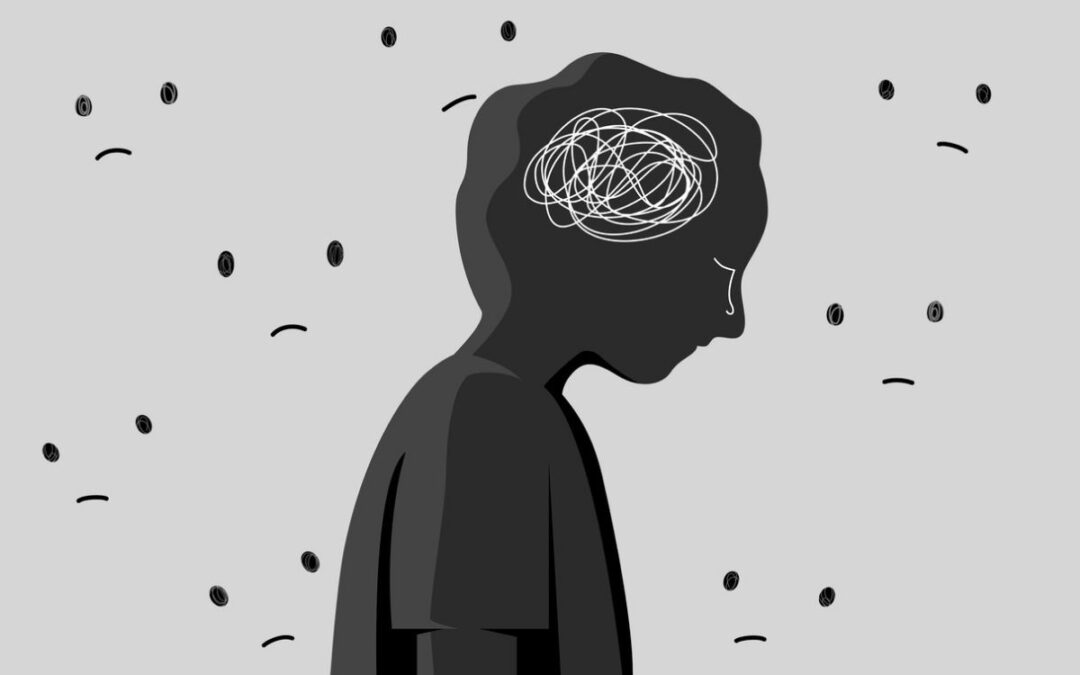
Anxiety is a normal part of growing up, but when it starts to interfere with sleep, friendships, school, or daily life, it’s a signal that your child may need extra support. Anxiety becomes a disorder when fear and worry take up too much space—making it hard for a young person to function, concentrate, or enjoy things they used to love.
Key Takeaways From This Resource:
- Anxiety in youth is common and treatable; the goal is functioning, not
- Watch for patterns—frequency, intensity, duration, and impairment—rather than one-off
- Evidence-based treatments such as CBT with exposure and parent coaching are highly effective, especially when started early.
- If safety is a concern, call or text 988 (U.S.) or contact local emergency
Common Anxiety Symptoms by Category
Anxiety can affect children and teens in multiple ways, often showing up emotionally, behaviorally, cognitively, and physically. Recognizing patterns across these areas can help parents identify when worry has moved beyond normal developmental concerns.
- Emotional: Persistent worry, irritability, fear of failure, or dread about specific situations (like tests or social events).
- Behavioral: Avoidance of school or activities, excessive reassurance seeking, crying, outbursts, or “clinginess.”
- Cognitive: Racing thoughts, perfectionism, difficulty concentrating, or imagining worst-case scenarios.
- Physical: Stomachaches, headaches, fatigue, muscle tension, rapid heartbeat, or disrupted sleep.
These symptoms may appear subtle at first but tend to become more consistent and disruptive over time, affecting school, friendships, and family life.
Age-Specific Examples of Anxiety
Anxiety often presents differently depending on a child’s developmental stage. Understanding what is typical at each age can help parents distinguish between normal worries and signs that professional support may be needed.
- Elementary: Fear of separating from parents, stomachaches before school, needing constant reassurance, or refusing playdates.
- Middle School: Worrying about grades or fitting in, irritability, procrastination, or avoiding new situations.
- High School: Perfectionism, test anxiety, panic attacks, sleep loss, social withdrawal, or overcommitment due to fear of falling behind.
While occasional worries are a normal part of growing up, persistent patterns that limit daily functioning are not “just a phase” and may indicate that additional support is needed.
Is It “Just a Phase”? The 4-Part Check
You can use F-I-D-I as a simple guide for deciding when to seek professional help:
- Frequency: Do the fears or behaviors occur most days, or in multiple settings (home, school, activities)?
- Intensity: Do they cause big distress, panic, or meltdowns?
- Duration: Have symptoms lasted four to six weeks or longer without improvement?
- Impairment: Are they disrupting school, friendships, sleep, or family life?
If you’re checking “yes” to impairment or several of these boxes, it’s more than a phase—it’s time to act.
Quick Screens You May Hear About
Parents may hear about screening tools that clinicians use to better understand a child’s anxiety. These are brief questionnaires that help identify the type and severity of symptoms, guiding treatment decisions. Knowing about them can help families feel more informed and prepared for conversations with providers.
- SCARED (Screen for Child Anxiety Related Emotional Disorders) – evaluates multiple types of anxiety in children.
- GAD-7 – screens for generalized anxiety in older children and teens.
- SPIN – assesses social anxiety symptoms specifically.
- PHQ-A – broader adolescent mental health screening that includes anxiety and mood symptoms.
These tools are not diagnostic on their own but provide a structured way for clinicians to track symptoms, monitor progress, and tailor interventions.
What Helps (Evidence-Based)
Effective treatment for child and teen anxiety focuses on helping young people manage worry, reduce avoidance, and regain confidence in everyday life. Evidence-based approaches also involve caregivers and schools to create consistent support across environments.
- Cognitive Behavioral Therapy (CBT) with Exposure: Teaches children to identify anxious thoughts, challenge them, and gradually face feared situations in a safe, supported way. Exposure exercises help children learn that anxiety decreases with practice rather than avoidance.
- Parent/Caregiver Coaching: Guides parents in responding to anxiety in a supportive, non-accommodating way, reinforcing coping skills at home and helping children feel empowered.
- Medication (When Indicated): For some children, medication can reduce anxiety enough to allow therapy to be effective. Decisions are made collaboratively with pediatricians, psychiatrists, and families.
- School Supports: Counselors, psychologists, and teachers can implement accommodations such as check-ins, structured breaks, or testing supports to reduce school-related stress.
Integrating these approaches across home, school, and therapy settings gives children the best chance to manage anxiety successfully and build lasting resilience.
What Parents Can Do Now
If you’re concerned about your child’s anxiety, start by observing and documenting patterns—when symptoms occur, how long they last, and what triggers seem to be present. Open communication with your child is key; validate their feelings rather than minimizing them. Reach out to your pediatrician, school counselor, or a qualified mental health provider for an evaluation.
Early support not only eases current symptoms but helps prevent anxiety from becoming more entrenched in adolescence or adulthood.
Not sure where to start? Schedule a consultation with our child and adolescent team.
When to Seek Urgent Help
Immediate professional help is needed if your child expresses hopelessness, talks about wanting to die, shows self-harming behaviors, or withdraws completely from family and friends. Contact 988 (U.S.) or local emergency services if you’re concerned about safety. You never have to navigate this alone.
How We Help at Galen Hope
At Galen Hope, we treat child and adolescent anxiety with compassionate, evidence-based care that integrates therapy, family involvement, and school collaboration. Treatment plans often include CBT with exposure, DBT-informed emotion regulation and distress-tolerance skills, extensive parent coaching (e.g., reducing accommodations that maintain anxiety), and psychiatric consultation/medication management when appropriate. We coordinate with schools to create practical supports (check-ins, testing plans, transition strategies) and safety plans as needed. Care is continuous across Residential, Partial Hospitalization (PHP), Intensive Outpatient (IOP), and outpatient services so kids can build resilience, regain balance, and practice skills in real life.
FAQs About Child and Teen Anxiety
Isn’t some anxiety normal?
Yes. Some worry is part of healthy development. It becomes a concern when anxiety consistently disrupts daily life or causes significant distress.
Will talking about anxiety make it worse?
No. Open, calm discussion reduces stigma and helps children feel understood, not alone.
How long does CBT take?
Most children experience meaningful progress in 12–20 sessions, though the timeline varies based on symptom severity and consistency of practice.
Do we have to stop sports or activities?
Usually not. In fact, maintaining routines and positive outlets can support recovery when balanced with treatment and self-care.
About Galen Hope
Galen Hope provides individualized, evidence-based treatment for anxiety disorders (including generalized anxiety, panic, social anxiety, OCD-spectrum, and trauma-related anxiety), eating disorders (including binge-eating disorder), and co-occurring mental health conditions. Led by co-founders Dr. Wendy Oliver-Pyatt (psychiatrist) and Dr. Amy Boyers (clinical psychologist), our multidisciplinary team blends clinical expertise, compassionate care, and community integration to support long-term recovery. We serve adolescents and adults of all genders across residential and intensive day treatment levels of care, with optional 24/7 clinically integrated housing. Our model emphasizes frequent individual therapy, skills-based groups, neurodiversity-affirming practices, robust family involvement, school collaboration, and support for reintegration into everyday life.
Locations: South Florida; serving individuals nationwide and beyond.
Contact: 866-304-2955 • [email protected] • galenhope.com
Key Statistic
- About 1 in 3 U.S. adolescents (31.9%) experience an anxiety disorder in their lifetime; about 8% have a severe anxiety disorder.
- Median age of onset about 11 years.
- Among U.S. children ages 3–17, about 7% have a current anxiety diagnosis in a given year.
- In the landmark CAMS trial, combined CBT + SSRI led to response in about 80% of youth at 12 weeks, versus about 60% for CBT alone and about 55% for SSRI alone, showing strong efficacy and the value of evidence-based care.
References
- American Academy of Child and Adolescent Psychiatry. (2020). Clinical practice guideline for the assessment and treatment of children and adolescents with anxiety disorders. Journal of the American Academy of Child & Adolescent Psychiatry, 59(10), 1107–1124.
- Davidson, K. W., et al. (2022). Screening for anxiety in children and adolescents: US Preventive Services Task Force recommendation statement. JAMA, 328(14), 1438–1444. https://doi.org/10.1001/jama.2022.16946
- Ghandour, R. M., Sherman, L. J., Vladutiu, C. J., Ali, M. M., Lynch, S. E., Bitsko, R. H., & Blumberg, S. J. (2019). Prevalence and treatment of depression, anxiety, and behavioral problems among U.S. children aged 3–17 years. The Journal of Pediatrics, 206, 256–267.e3. https://doi.org/10.1016/j.jpeds.2018.09.021
- James, A. C., James, G., Cowdrey, F. A., Soler, A., & Choke, A. (2020). Cognitive behaviortherapy for anxiety disorders in children and adolescents. Cochrane Database of Systematic Reviews, 2020(11), CD013162. https://doi.org/10.1002/14651858.CD013162.pub2