
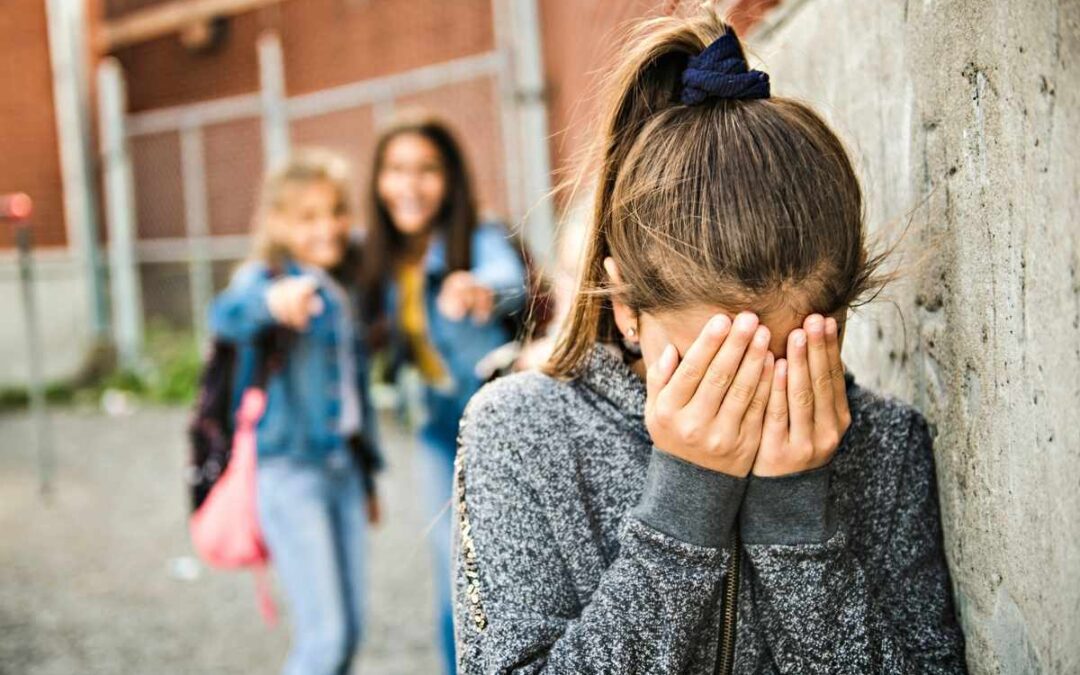
If your child has been bullied, your concern is valid — you are not overreacting. Bullying can have lasting effects on a young person’s mental and physical health, especially if they begin to internalize feelings of shame, fear, or helplessness. Healing from this experience takes time, but with the right support, children can regain confidence, rebuild relationships, and learn healthy coping skills. Keep reading to learn how to help your child heal after bullying.
Family involvement is essential. When parents, schools, and clinicians work together, children experience a consistent message of safety and care. A structured plan — including therapeutic support and school-based collaboration — helps your child feel secure while addressing the emotional and behavioral effects of trauma.
Key Takeaways From This Resource:
- Bullying can cause deep emotional and physical wounds that require structured, trauma-informed care.
- Families play a critical role in helping children rebuild safety, trust, and self-worth.
- Collaboration between caregivers, schools, and clinicians creates the strongest foundation for recovery.
What Is “Bullying Trauma”?
Bullying trauma refers to the ongoing emotional, psychological, and physical effects of being targeted by peers. Unlike a single distressing event, bullying is often chronic and cumulative — leaving lasting imprints on how a child views themselves and others.
- Emotional: Anxiety, depression, fear, or persistent feelings of shame and isolation.
- Behavioral: Withdrawal from friends or activities, school avoidance, aggression, or changes in sleep and eating habits.
- Cognitive: Difficulty concentrating, intrusive memories, or self-blaming thoughts (“It’s my fault”).
- Physical: Stomachaches, headaches, or unexplained pain connected to stress and hypervigilance.
Recognizing these signs early allows caregivers and schools to intervene before symptoms worsen or evolve into longer-term mental health challenges.
First Steps for Caregivers & Schools
Checklist for Response and Support:
- Ensure immediate safety; remove the child from harmful environments.
- Validate their feelings — listen without judgment or minimization.
- Document incidents and communicate clearly with school staff.
- Request a formal plan with teachers, counselors, and administrators to prevent further harm.
- Maintain consistent routines at home to restore a sense of predictability and security.
- Seek consultation with a mental health professional familiar with trauma-informed or child-centered therapies.
- Monitor for ongoing distress, social withdrawal, or signs of self-harm.
Evidence-Based Treatments That Help
Healing from bullying requires more than reassurance—it involves structured, evidence-based care that helps children process trauma, rebuild self-esteem, and regain a sense of safety. The most effective treatments integrate emotional regulation, cognitive reframing, and family participation, ensuring that recovery happens both in therapy and at home.
Trauma-Focused Cognitive Behavioral Therapy (TF-CBT)
TF-CBT is one of the most effective, research-supported approaches for children who have experienced bullying or other interpersonal trauma. It helps young people process distressing memories, challenge self-blame, and learn new ways to manage emotions. Family participation is key, as caregivers learn parallel skills to support healing and reinforce safety at home.
CBT/DBT-Informed Skills
Cognitive Behavioral Therapy (CBT) and Dialectical Behavior Therapy (DBT) techniques can help children manage anxiety, regulate emotions, and reduce self-critical thinking. Skills such as mindfulness, distress tolerance, and emotion labeling empower children to navigate future stressors with confidence and calm.
School-Based Supports
Healing from bullying requires coordination beyond the therapy office. School counselors, psychologists, and teachers can reinforce coping strategies, implement safety plans, and create inclusive classroom environments that promote belonging and emotional resilience.
Digital Safety & Cyberbullying (A Quick Guide)
In today’s world, bullying often extends into digital spaces. To protect your child: save evidence of online harassment, adjust privacy settings, and report harmful behavior to platforms or schools when appropriate. Collaborate with your child to set healthy device boundaries and take short content breaks if clinically recommended. Practice scripts for responding — or choosing not to engage — online. The goal is not only to stop the harassment but to empower your child to feel safe and in control of their digital world.
At Galen Hope, care is physician-led and multidisciplinary, integrating family involvement and continuity across Residential, PHP, and IOP levels to ensure children and families receive cohesive, trauma-informed support.
When to Seek More Support for Bullying
While many children recover with family and school-based support, some may need more intensive treatment. Seek professional help if your child shows persistent sadness or hopelessness, drastic changes in eating or sleeping, ongoing school refusal, self-harm behaviors, or withdrawal from friends and activities they once enjoyed. Early intervention can prevent symptoms from deepening and help children reconnect with safety, joy, and self-worth.
Galen Hope’s Approach
At Galen Hope, we recognize that recovery is deeply personal. We offer comprehensive, individualized treatment that addresses not only eating-disorder symptoms but also the emotional, relational, and psychological factors that sustain them. For children and adolescents impacted by bullying or cyberbullying, our trauma-informed care includes TF-CBT and CBT/DBT-informed skills, family therapy, and collaboration with schools to create safety plans, support digital well-being, and restore a sense of belonging.
Our continuum of care, Residential, PHP, and IOP, helps clients build resilience, autonomy, and lasting well-being. With a foundation of compassion, collaboration, and clinical excellence, Galen Hope walks beside you through every stage of recovery.
FAQs About Therapy for Bullying
Does every child need therapy after bullying?
Not always. Some children recover well with family and school-based support, while others benefit from structured therapy. A mental health evaluation can help determine what’s best.
Is TF-CBT only for severe cases?
No. TF-CBT can be helpful for a wide range of children experiencing distress after bullying, regardless of severity.
How long does treatment take?
Duration depends on each child’s needs. Many experience improvement within a few months, though ongoing support may be recommended for sustained healing.
What if the bullying continues?
Clinicians can collaborate with schools to strengthen safety plans, and families can reinforce coping skills and boundaries at home. Ongoing monitoring is essential to ensure safety and progress.
About Galen Hope
Galen Hope provides individualized, evidence-based treatment for eating disorders and complex mental health conditions, including anxiety, depression, and trauma related to bullying and cyberbullying. Led by co-founders Dr. Wendy Oliver-Pyatt (psychiatrist) and Dr. Amy Boyers (clinical psychologist), our multidisciplinary team blends clinical expertise, compassionate care, and community integration to support long-term recovery. We treat adolescents and adults of all genders across residential and intensive day treatment levels of care, with optional 24/7 clinically integrated housing. Our model emphasizes high-frequency individual therapy, skills-based groups, weight-inclusive and shame-reducing approaches, robust family involvement, school collaboration, and support for reintegration into everyday life.expert in eating disorder treatment, family involvement in care, and trauma-informed approaches to recovery.
Galen Hope is located in South Florida and provides in-person programming for adolescents and adults of all genders.
For more information, please call 866-304-2955 or visit www.galenhope.com.
Key Statistics
- About 1 in 5 U.S. students (ages 12–18) report being bullied at school during the year.
- About 1 in 6 U.S. high schoolers report being electronically bullied (texts, DMs, social platforms).
- Youth who experience bullying have ~2× higher odds of suicidal ideation and suicide attempts than non-bullied peers.
- Long-term impact: being bullied—especially being both a bully and a victim—is linked to elevated risks of anxiety and depressive disorders in adulthood.
References
- Centers for Disease Control and Prevention. (2023). Youth Risk Behavior Survey: Data summary & trends report, 2011–2021. U.S. Department of Health and Human Services.
- National Center for Education Statistics. (2021). Student reports of bullying: Results from the 2019 School Crime Supplement to the National Crime Victimization Survey. U.S. Department of Education.
- Holt, M. K., Vivolo-Kantor, A. M., Polanin, J. R., Holland, K. M., DeGue, S., Matjasko, J. L., … Reid, G. (2015). Bullying and suicidal ideation and behaviors: A meta-analysis. JAMA Pediatrics, 169(5), 435–442.
- Copeland, W. E., Wolke, D., Angold, A., & Costello, E. J. (2013). Adult psychiatric outcomes of bullying and being bullied in childhood and adolescence: A prospective cohort study. JAMA Psychiatry, 70(4), 419–426.